In practice
A catheter refined during pilot preparation
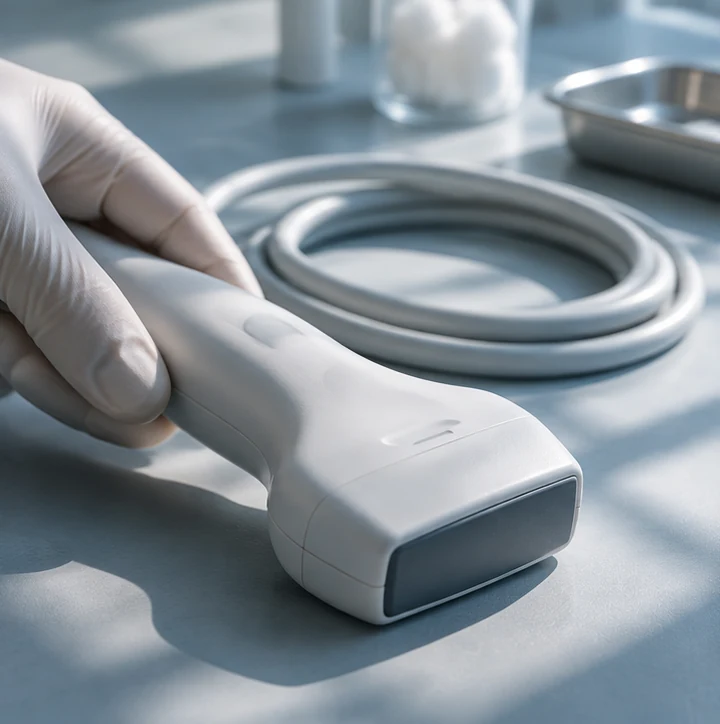
Suppose the first filing describes a steerable catheter. The pilot version adds a disposable tip and software that confirms placement. We check which features the original filing supports, who contributed each improvement and what the team plans to show its U.S. partner.

Former medical-device engineer and co-author of the Springer book on FDA and IP strategy.
About the medical device bookBefore the first U.S. pilot
Bring the planned demo, the pilot protocol and your earliest filings. We compare what the partner will see with what the applications describe, then identify which design changes merit a filing before disclosure.
When the technology comes from a hospital
A clinician may have conceived the original device while a company engineer developed the version headed for trials. Together with Israeli counsel, we review each contribution, the license and assignments to identify who owns improvements and who controls U.S. filings.
When an investor asks about coverage
We map issued and pending U.S. claims to the product, including its sensors, software and replaceable parts. We identify gaps, questions about ownership and any third-party patents that warrant a separate freedom-to-operate review.
People in this practice
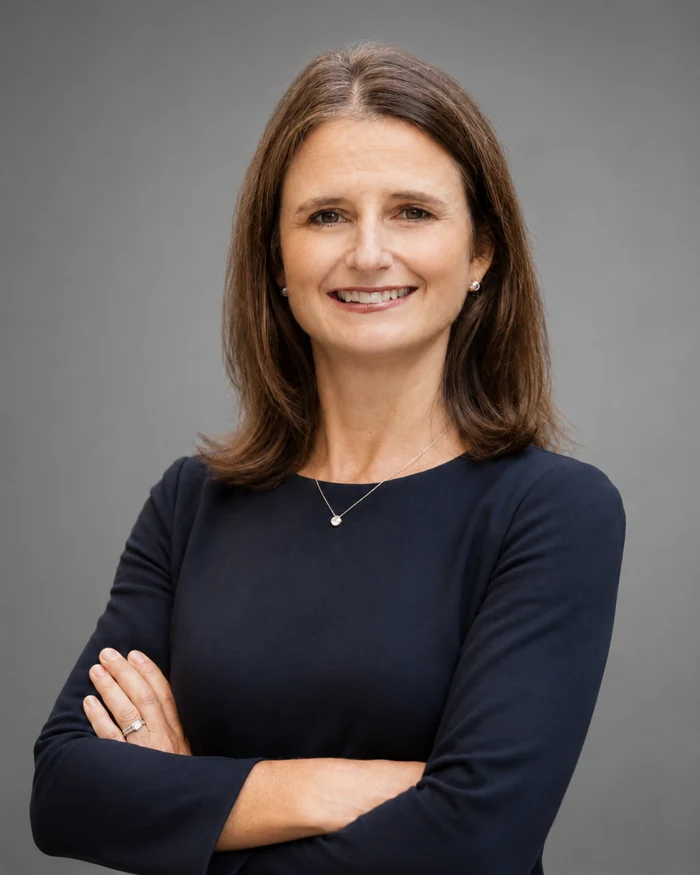 Danielle Gross, Ph.D.Registered U.S. patent agent · Ph.D. in biochemistry
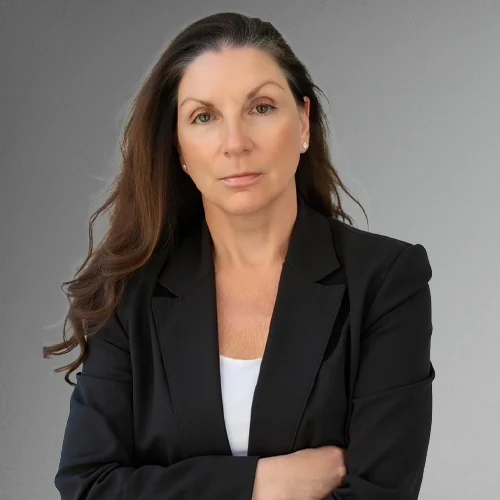 Janet PioliSenior counsel · Registered U.S. patent attorney
 Tom J. FilarskiSenior counsel · Registered U.S. patent attorney